
artists through the ages: cave dwellers
We’re baaacckkkk!
Remember when I wanted to share art lessons on our site? And then I fizzled out because real school (as opposed to the fake one we’re doing now) was just too much for me to juggle with everything else? And you were all, where did she go? (Okay. You probably didn’t notice.) But then I decided to revamp it, with a series of lessons for your littles starting with a nice healthy dose of art history… as in today?
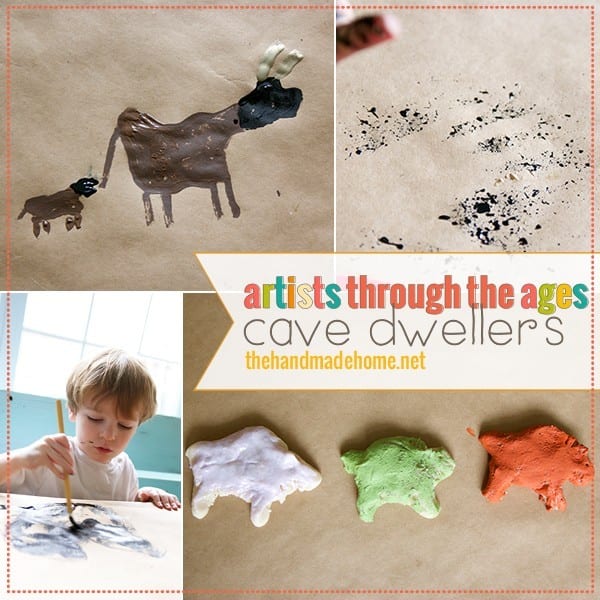
We’re taking a look at artists through the ages with our kids… a chance to study Art History, and recreate some fun forms of art in our own way. We’ll be sharing them every few weeks, and we hope you’ll join in the fun! It’s chance to truly study the history behind the process of art, while learning about the basics like color, composition and all the other elements that go into creating great pieces. My nerd is showing, but Art History was one of my favorite courses in college. I thought it was a great opportunity to get our kids geared up in a fun interactive way!

Let’s start at the beginning. A very good place to start. {Ear worm, anyone?}
With the creations of cave dwellers. Did you know that one of the most famous cave paintings in Lascaux, France (click there for a nice map to show your kiddos) were discovered accidentally by four boys and their dog who were searching for a lost treasure? The creations found in various places stand testament that these artists had great talent. Even that long ago. It’s pretty impressive, to say the least.
You can take a virtual tour of Lascaux and explore the art in it, here. Be sure to do that before you begin so they have a good perspective.
Here’s how we recreated a few famous finds from around the same period.

First up: Bison Le Tuc d’Audoubert, from Ariége France was made of unbaked clay. No worries. I don’t speak French and just call it Bison. But I explained to them how impressive it was, for someone to create something so large from absolutely nothing. We have electricity. We have baths. We go to the art store today, and it’s no big deal. They sat down and molded this with their hands while surviving another day. Their main subject matter was about the animals they probably hunted. So it’s fun to “explore” the cave above and try to identify various animals.
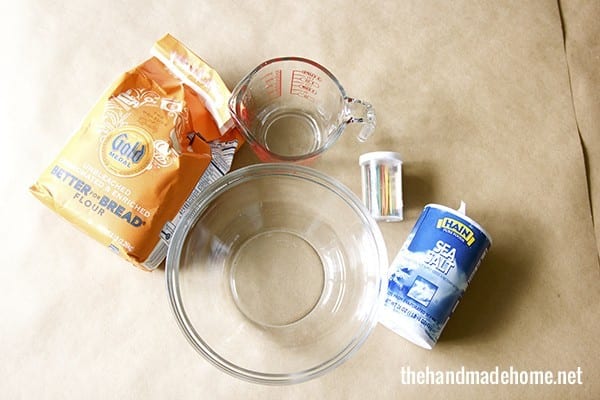
To recreate our own version of the bison, here’s what we used:
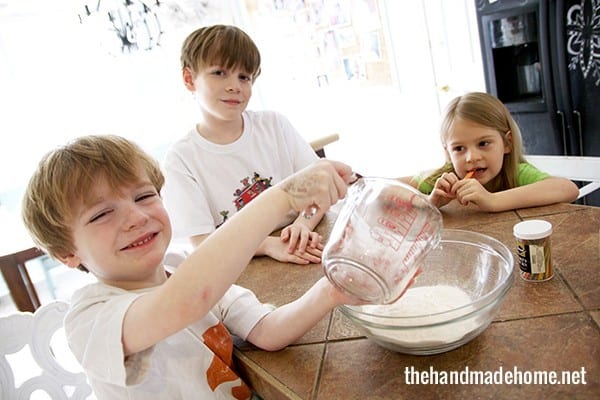
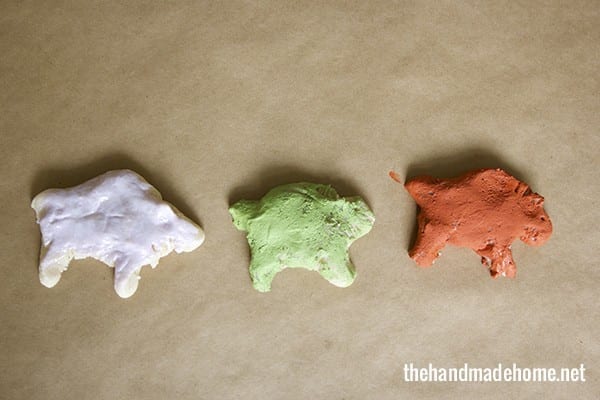
With simple salt dough. 1 cup of flour + 1 cup of salt + 1 cup of water (added slowly as you mix) gave us the perfect consistency for three perfect little bison recreations.
We molded them with our hands, and even used little toothpicks to make little indentions just like the original bison.
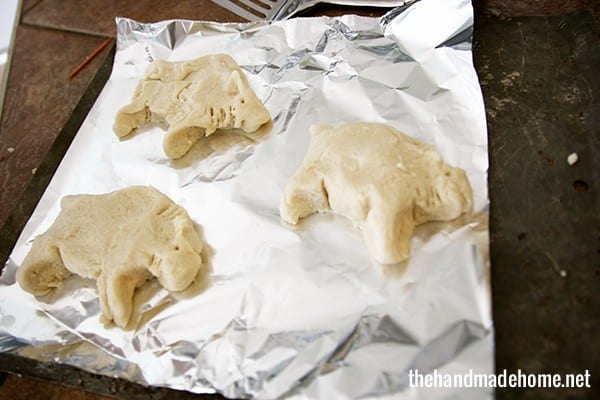
We baked them at 250 degrees for about 10-15 minutes (maybe longer depending on how your oven bakes)
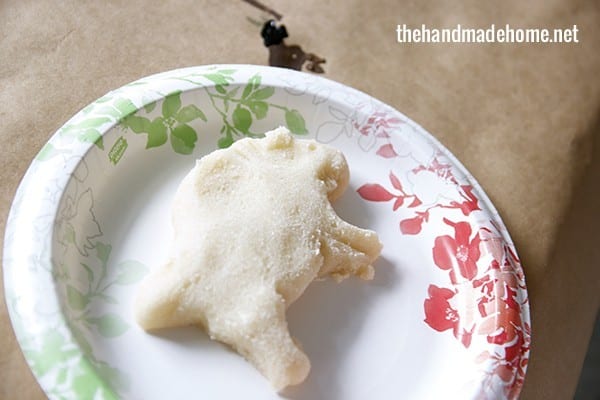
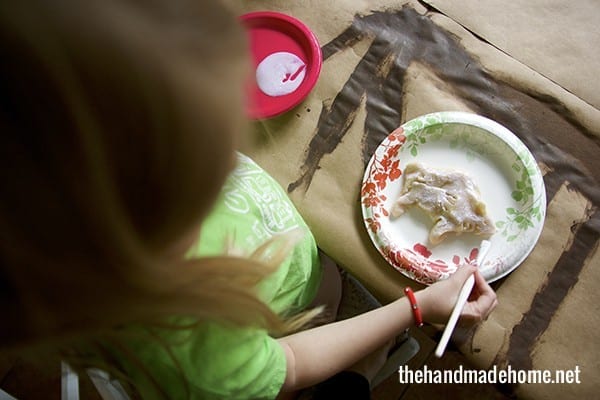
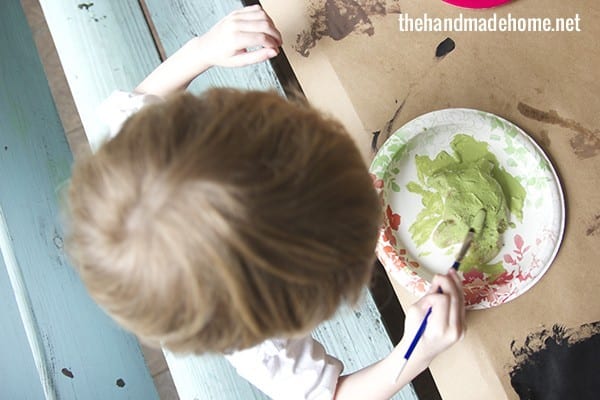
While the original bison had no color because he was made mostly from earth (and let’s be honest… he was much larger) we decided to put our own little artistic spin on it by choosing paint colors of our liking.
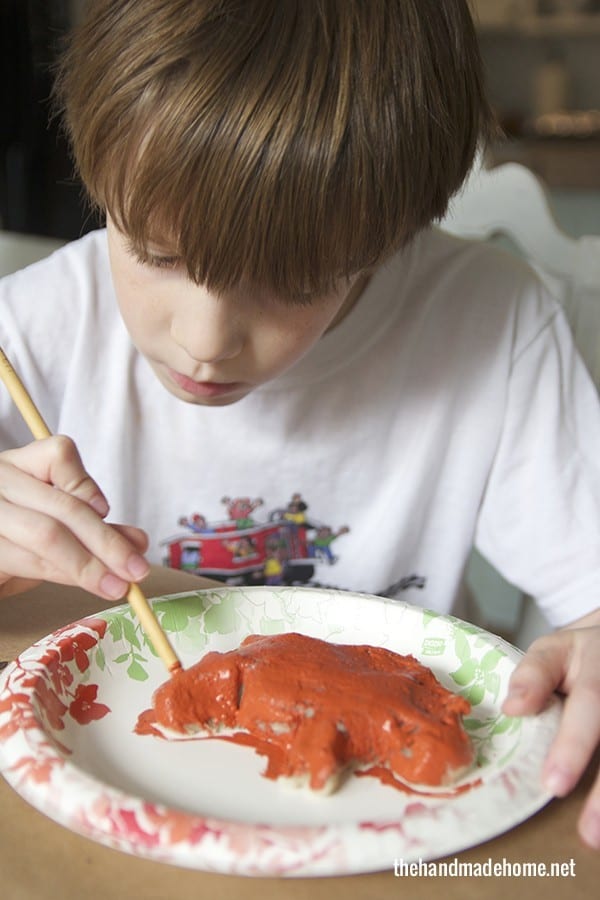
Major cute factor.
 Next up:
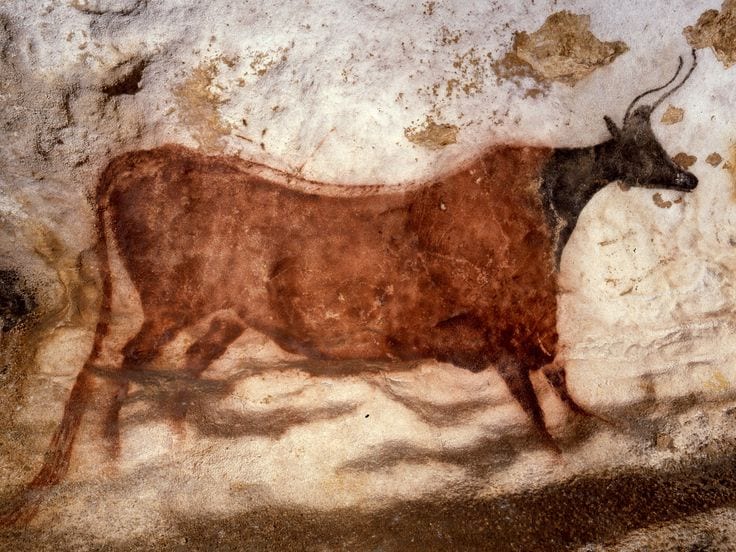
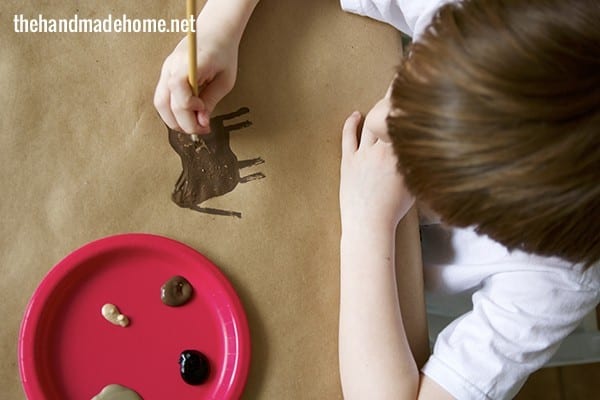
The paintings like those found in Lascaux.
Artists of the day mixed their paint using dirt, animal fat, ground up rocks, and various other materials like berries. They also used burned wood.
So we mixed a little “paint” with oils and dirt. Two different shades and everything. Be impressed. See me: with a spade in the cold wet dirt. {Okay. It’s Alabama. I wasn’t cold.}
And then we realized it was worthless because we’re not experts like the cave dwellers… and resorted to paint.
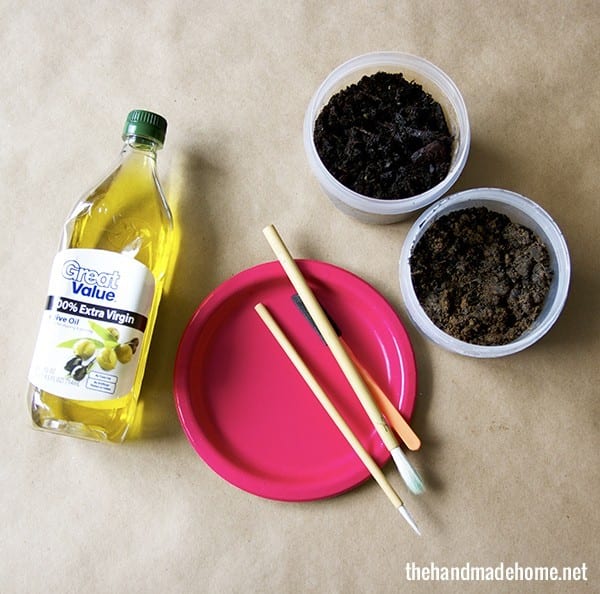
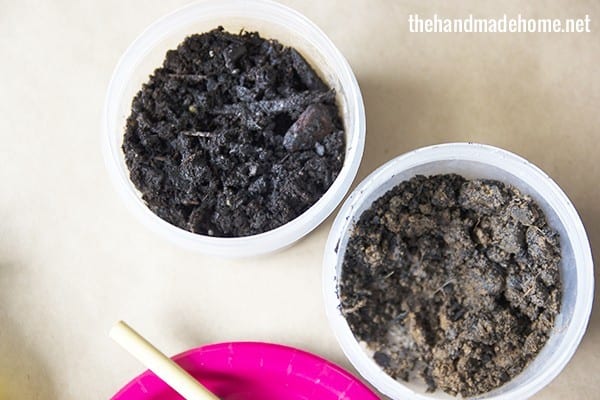
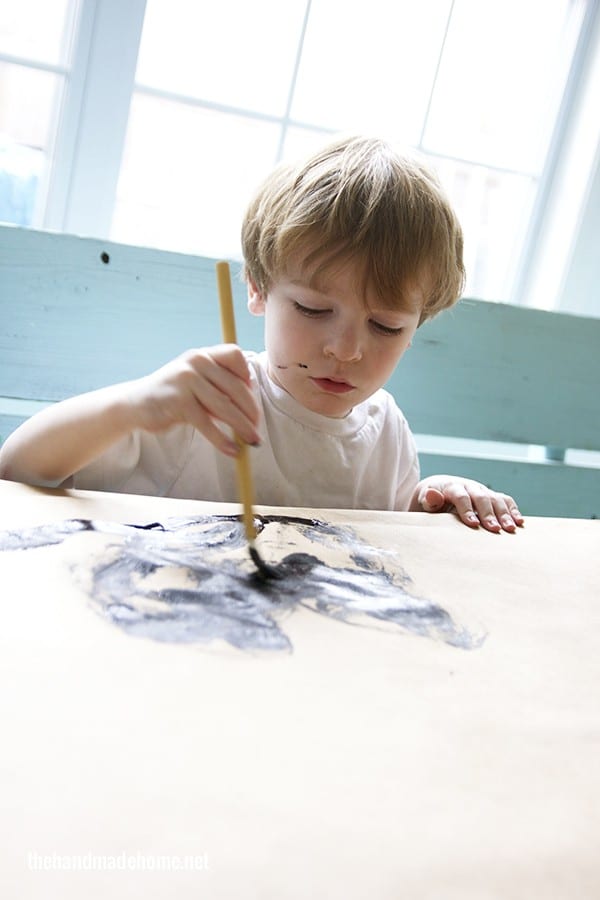
But they got the point, anyway. And they loved recreating their own versions on simple butcher paper I placed on our kitchen table.
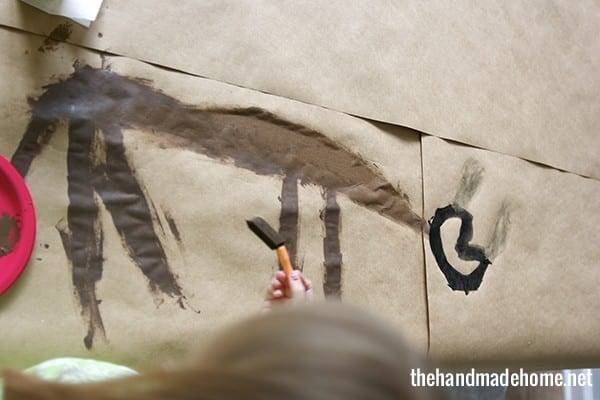
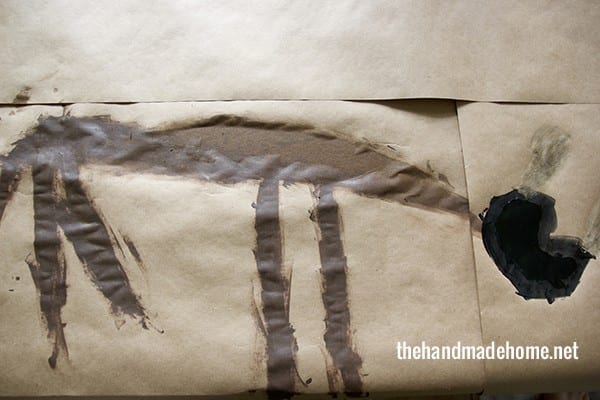
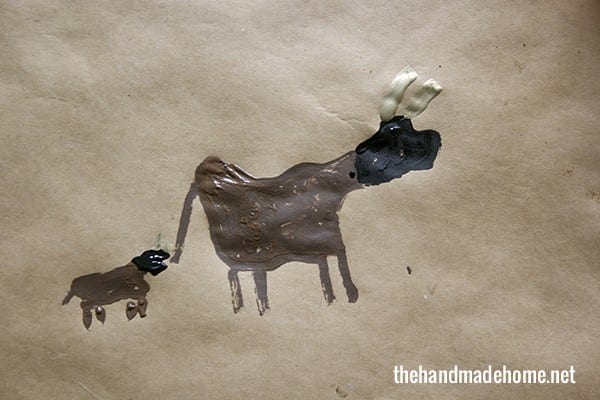
Next up: Human Hands. (Click on the link here for an interesting news story about it – but watch out for those sidebar images if your kids are with you. Sketcho.)
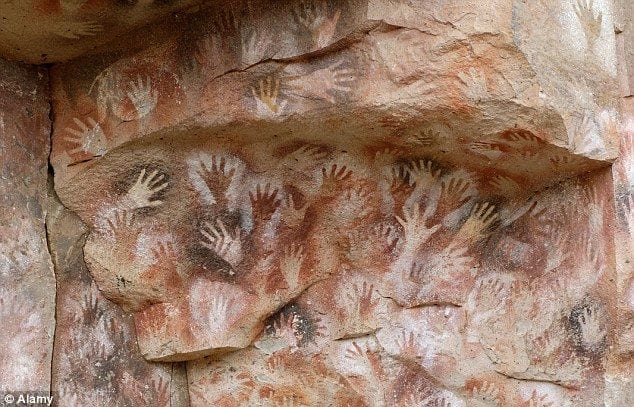
No one is entirely sure how these were made in so many areas, but their composition is absolutely beautiful. They believe they were made by chewing up a material like charcoal and spewing it onto their hands to make a print. They literally became a human spray can.
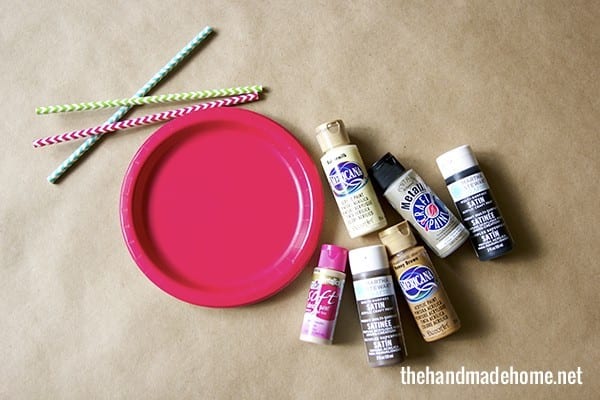
So for this, we dipped a straw in some paint…
Be sure to tell them not to suck it up. Just dab the end.
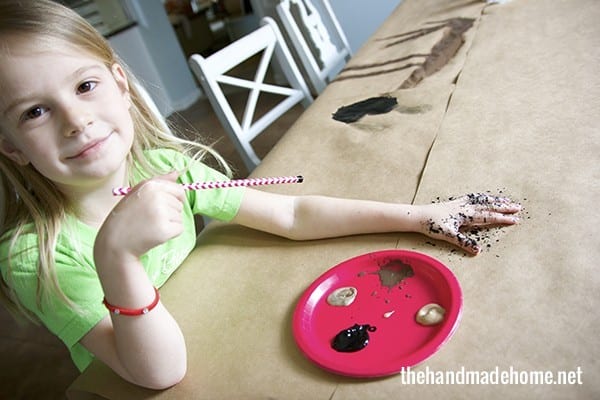
And blew out the end making little spots until you can see…
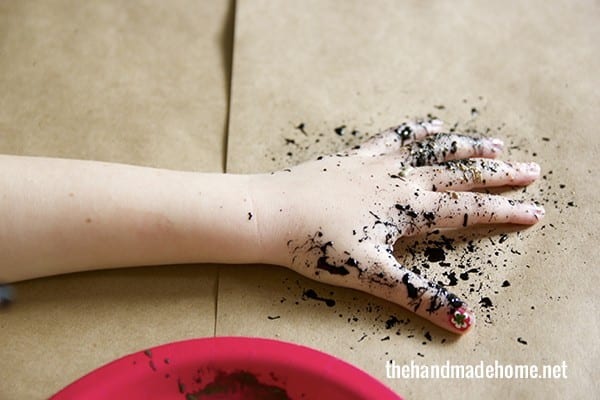
A hand print.
“Human breath, a most profound expression of a human being, literally breathes life onto a cave wall.” – Lorblanchet, Archeology
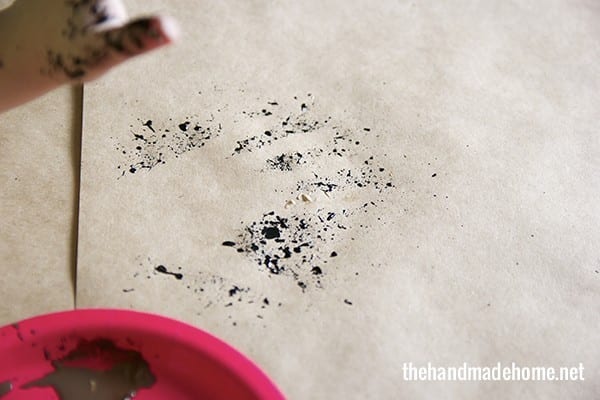
They were over it in 2.5 seconds, and while I used what I had around our home as far as earth tones, I would highly recommend washable paint. But they definitely got the point. And it was messy fun while it lasted.
I think we made an impression today on what it was like to create such seemingly simple pieces. And what it must have been like to dwell in a cave. A fun interactive lesson in art, and history.
Feel free to check out the rest of our little art lessons, here.

If you have any questions, let us know!
Have an inspired day, y’all!


This is so great! It’s why I read your site- you never know what you’ll find here! 🙂 I am doing this with our children. We don’t home school but its still a precious rainy day kind of activity!
Lovely!!! 🙂 such a great project with my kids
Will have to try these with my daughter (4yrs old). She will freak out about being allowed to blow paint through a straw. She was asking about petroglyphs the other day. Maybe I will solidify some dough and let her carve into it. She had a blast making the play-doh color wheel.
This is so very smart. I love the idea of little projects like this with yor kids! Thank you for all the hard work that went into this.
ok, again – how in the world did I miss this post? I LOVE IT!!!! I have been telling my husband -when we study about history I want to study the art of the time as well – it tells us so much of what life was like – I want to study the interior design “trends” of the time as well – as that also is a window into the “times” we are studying! I do not just want a list of dates we memorize – I want to be “immersed” in the era we are studying! OH MY GOODNESS – this cave-art study is AWESOME!!!! PAY DIRT!!! THANK YOU THANK YOU THANK YOU! I cannot wait to try this with my son!!! I have not found anything like this – and honestly have not taken the time to research it out- but this is TOTALLY what I have been telling my husband I want to find/do – THANK YOU!!!! My son is very creative – so I wanted to look at history with a “creative view” so he will be more excited about it and it will come “alive” to him!!! OH MY GOODNESS if I could give you a hug and a high five I would totally be doing that!!! Even a fist pump-explosion is called for here!!! Maybe even a happy dance!!
Ann – you are so sweet. Your comment makes it all worth our while! ;} We are doing it here anyway, trying to do more of a hands on approach and so its like, why not share? But I didn’t know if anyone could actually use it… I’m so glad you can! Thanks so much!